


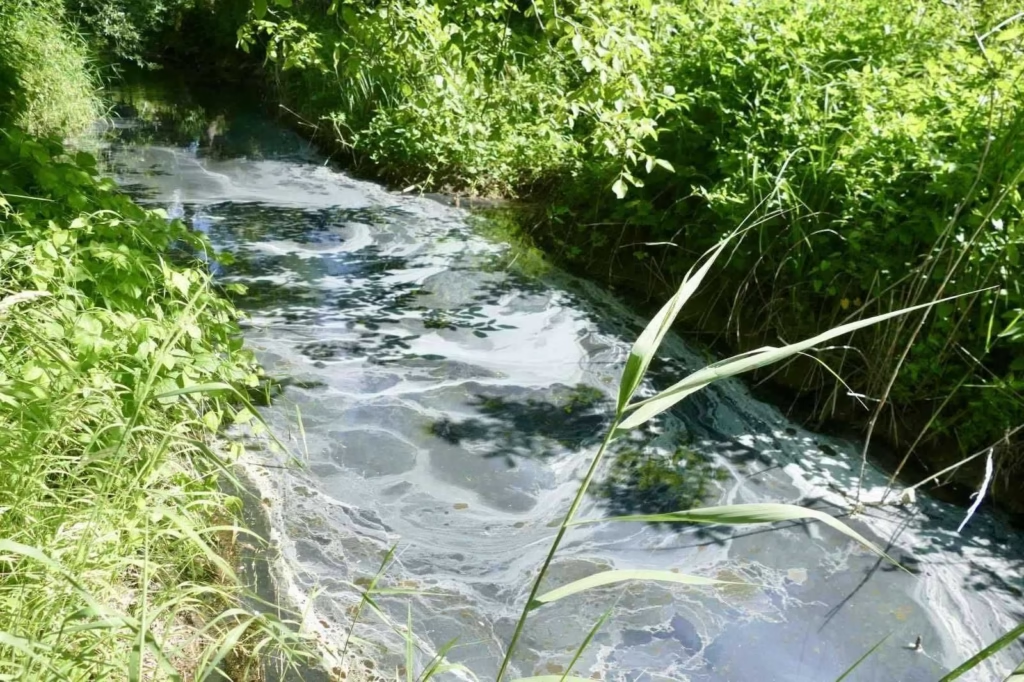
 Signs of possible pollution have been recorded in the Sivka River in the Kalush community. According to the Kalush City Council, during an inspection near the community boundary, upstream along the river, the water was grey and cloudy, with an unpleasant smell. To identify the causes of the pollution and assess the condition of the water body, specialists collected water samples for laboratory testing.
According to the Dniester Basin Water Resources Administration, preliminary test results showed that some water quality indicators exceeded the established standards, including chemical oxygen demand and ammonium nitrogen. These indicators are important for assessing the condition of the aquatic environment, as they may point to increased organic pollution in the river.
The causes and sources of the pollution are to be established by the competent authorities based on laboratory tests and inspections. Until official findings are published, it is important to avoid assumptions and premature statements about responsible individuals or organizations.
Why this is dangerous for the river
A river is a living ecosystem. Water, bottom sediments, algae, aquatic plants, insects, mollusks, fish, birds, and other living organisms are all connected within it. When too much organic matter or other pollutants enter the water, this natural balance can be quickly disrupted.
One important indicator of water condition is chemical oxygen demand. In simple terms, it shows how much oxygen is needed to oxidize the substances present in the water. If this indicator is high, it may indicate significant organic pollution in the water body. In such conditions, dissolved oxygen levels in the water may decrease, even though it is essential to fish and other aquatic organisms.
Fish and other aquatic organisms are especially sensitive to deteriorating water quality. If there is not enough oxygen in the water, or if the concentration of harmful substances increases, fish may lose their ability to breathe normally, become weakened or die. Such events affect not only individual species but the entire food chain of the river.
Possible impact on flora and fauna
Water pollution can affect aquatic plants, microorganisms, invertebrates, amphibians, birds and animals that use the river as a source of water or food. Some organisms may die immediately, while others may lose their habitat or food base.
After such incidents, a river ecosystem does not recover immediately. Even if visible pollution disappears, its consequences may remain in the water, bottom sediments and biological chains. That is why it is important not only to establish the cause of the incident but also to continue monitoring the river after the initial inspections are completed.
What residents should know
Until the final test results are published, residents should be cautious and avoid using river water for drinking, cooking, bathing, watering animals or irrigating gardens if there are visible signs of pollution, such as an unusual colour, smell, foam, an oily film or dead fish.
People should also avoid touching dead fish or collecting it for consumption. Such cases should be reported to local authorities, the State Service of Ukraine on Food Safety and Consumer Protection, the State Environmental Inspectorate or the police.
Why open monitoring is needed
The situation on the Sivka River once again shows how important regular and open monitoring of small rivers is. Communities need access to clear and understandable information: what samples were collected, which indicators are being tested, what they mean and what further actions are planned.
Small rivers are often the first to respond to pollution, worn-out infrastructure, unauthorised discharges or other violations. At the same time, they are part of larger river systems and can affect water quality far beyond a single community.
Youth Public Environmental Organization “Our Home – Manyava” believes that in such situations it is important to act responsibly: to rely on official data, avoid unverified accusations, ensure transparent communication with residents and pay greater attention to the condition of small rivers in Ivano-Frankivsk Oblast.
No responses yet