Carpathian Green Learning Hub for Youth: Climate, STEM, and Environmental Education in Ukraine
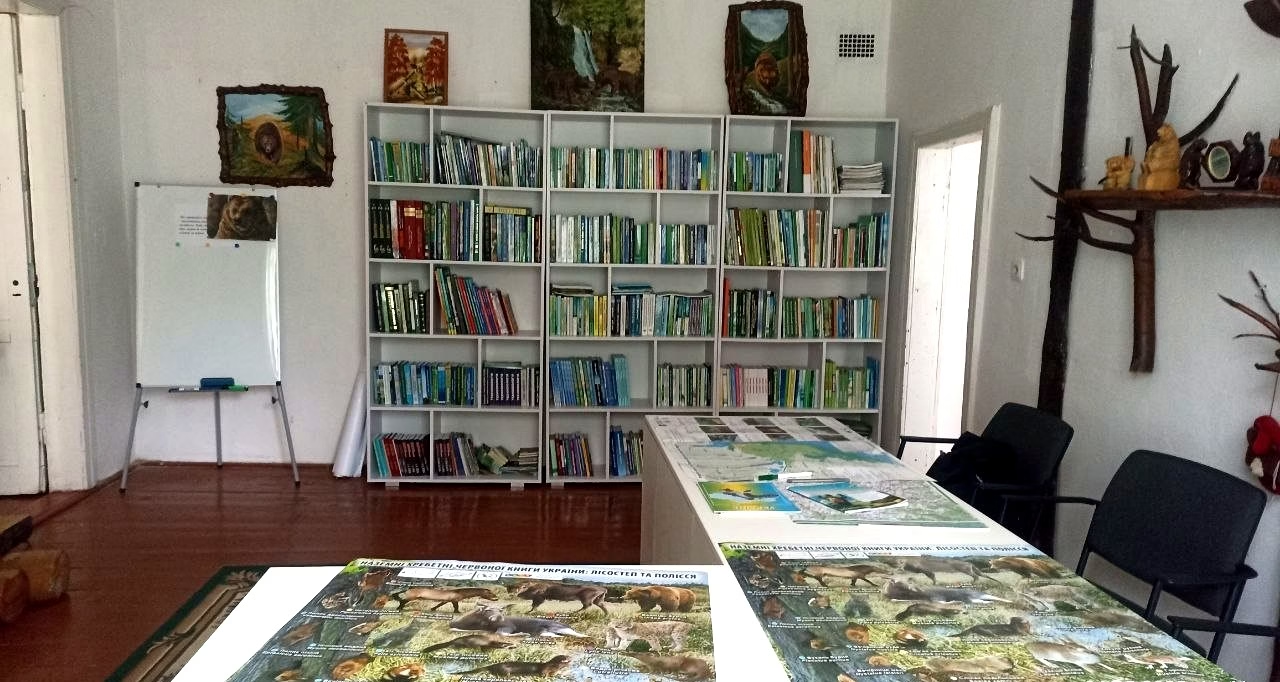
The Carpathian Green Learning Hub for Youth is a community-based environmental and educational space in Manyava, created to support children, young people, schools and local communities in rural areas of the Ukrainian Carpathians.
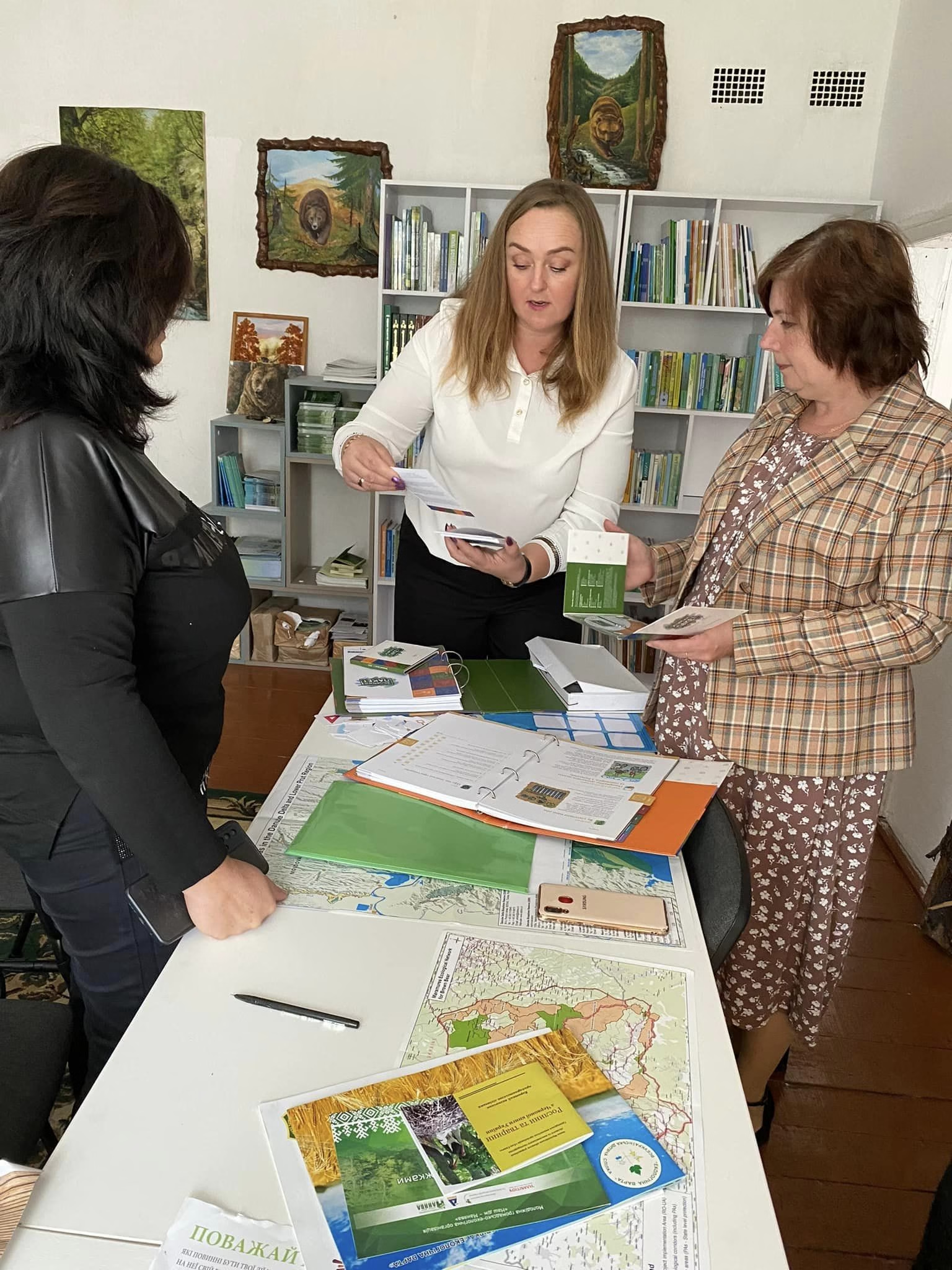
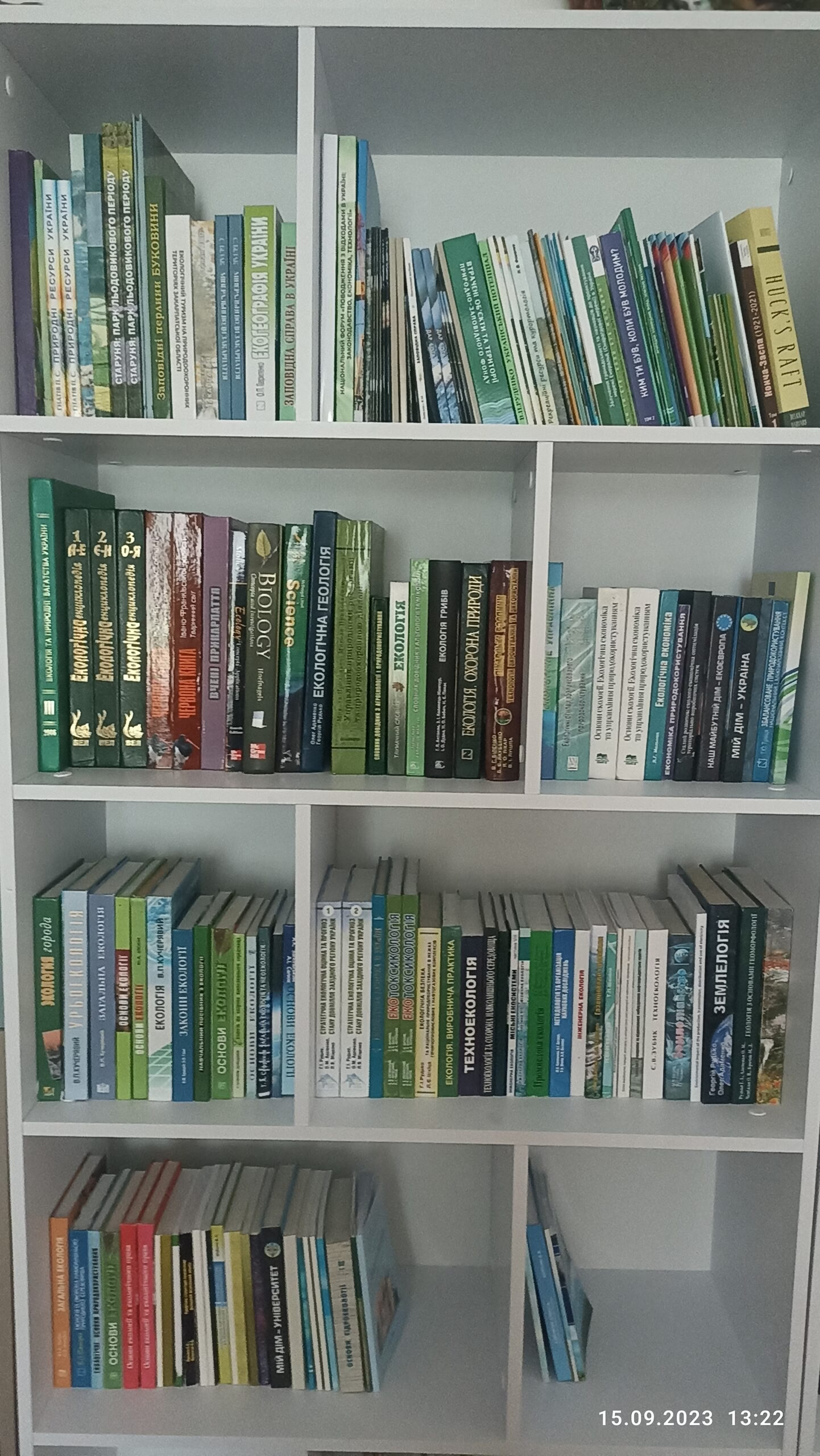
The Hub provides children and young people with free access to environmental literature, STEM learning, digital tools, climate literacy, citizen science and practical activities connected with the nature of the Carpathians.
Our organization is verified and listed on the Benevity Causes Portal, which is used by international companies to support employee giving, corporate philanthropy, and matching donation programs.
You can support the Carpathian Green Learning Hub for Youth through our official project page on Benevity.
Purpose of this Benevity campaign: USD 10,000
Why It Matters?
Children and young people in rural mountain communities often have limited access to modern environmental education, digital tools, STEM opportunities and hands-on learning connected with the nature of their own region.
At the same time, the Ukrainian Carpathians are facing growing environmental challenges, including climate change, increasing pressure on mountain ecosystems, degradation of water resources, flood risks, biodiversity loss, and limited environmental awareness in local communities.
In the context of war, learning losses and growing climate risks, environmental education for children is not an additional activity, but a foundation for recovery, resilience, responsible environmental stewardship and community development.
What the Hub does
The Carpathian Green Learning Hub brings together:
• environmental education for children and young people;
• STEM and digital learning;
• climate literacy and climate resilience activities;
• Citizen science and environmental monitoring;
• River and water protection awareness;
• hands-on activities, workshops and environmental education events;
• youth leadership, volunteering and community-based environmental initiatives.
All educational activities for children, young people and schools are provided free of charge.
Foundation of the initiative
The initiative grew out of the “Environmental Library for Children and Youth” project, supported by The Pollination Project and the organization’s partners.
Today, the Hub is based on:
• A collection of more than 3,600 books and educational materials;
• Experience in environmental education activities, workshops and community initiatives;
• Collaboration with 43 partners and local institutions;
• понад 20-річному досвіді Молодіжної громадської екологічної організації «Наш дім — Манява»;
• Implementation of 40+ projects in the fields of environment, education, community development and support for local initiatives.
The project is gradually transforming from a traditional environmental library into a modern Carpathian center for environmental education, STEM learning, citizen science and climate resilience.
Citizen Science: Children as Young Environmental Researchers
One of the Hub’s key areas of work is citizen science.
Children and young people learn to observe the condition of rivers, water resources, forests, biodiversity and local ecosystems. They work with simple monitoring tools, field materials, observation notebooks and basic data collection protocols.
This is not only a learning exercise. This approach helps children develop scientific thinking, environmental responsibility and a sense of ownership in protecting the nature of their own region.
Goals for 2026
In 2026, the project has the following goals:
Engage more than 500 children and young people in environmental education, STEM learning and climate resilience activities.
Conduct at least 20 environmental workshops, STEM sessions, environmental education activities and community learning events.
Expand children’s and young people’s access to 3,600+ books, manuals, journals, and educational materials.
Engage more than 10 schools, civil society organizations and partners in environmental and youth initiatives.
Launch and strengthen youth citizen science activities related to the monitoring of rivers, water resources and Carpathian ecosystems.
Expand access for rural children and young people to free environmental, STEM, and digital education.
Target Groups
The project is focused on:
• children and young people from rural communities of the Ukrainian Carpathians;
• local schools and educational institutions;
• teachers, youth workers and community educators;
• youth environmental clubs, volunteers and initiative groups;
• families and community residents interested in environmental education and sustainable development;
• local civil society organizations, local authorities and environmental partners.
Expected impact
Your support will help to:
• engage more than 500 children and young people each year in environmental education, STEM learning, and climate literacy;
• conduct 20+ environmental education events, hands-on activities, and community learning events;
• actively use and expand the collection of more than 3,600 educational materials;
• strengthen youth participation in citizen science and environmental monitoring;
• increase environmental awareness among children, young people, schools, and communities;
• help shape a new generation of young environmental leaders;
• support the sustainable development of communities in the Ukrainian Carpathians through education, participation, and practical action.
Contribution to the Sustainable Development Goals (SDGs)
SDG 4 – Quality Education
Support free environmental education, STEM learning and climate literacy for children and young people.
SDG 13 – Climate Action
Building climate resilience, environmental responsibility and practical knowledge in mountain communities.
SDG 15 – Life on Land
Supporting the conservation of Carpathian forests, biodiversity, rivers and ecosystems through education and youth participation.
SDG 6 – Clean Water and Sanitation
Raising awareness about river protection, water resource monitoring and sustainable management of aquatic ecosystems.
SDG 17 – Partnerships for the Goals
Strengthening cooperation between schools, civil society organizations, communities, international partners, and environmental initiatives.
Why Support This Project?
Your support will help children and young people in rural communities of the Ukrainian Carpathians gain access to knowledge, tools and practical experience that help them understand and protect nature.
Donations through Benevity will help:
• Expand environmental and STEM education;
• Purchase educational materials, books, and digital tools;
• Support citizen science kits and equipment for environmental monitoring;
• Conduct free workshops, environmental education events, and hands-on activities;
• Develop youth leadership, volunteering, and civic participation;
• Protect Carpathian ecosystems through education and citizen engagement.
Support Examples
$20 → Environmental books and educational materials for children.
$50 → Climate resilience and environmental education workshops.
$100 → Digital and STEM learning tools.
$ 250 — A citizen science kit for a youth group: basic equipment for observations, field materials, and tools for data collection.
$500 → Environmental monitoring equipment and interactive educational resources.
$ 1,000 — a series of environmental education sessions for one rural school.
$ 2,500 — expansion of the Hub’s activities, learning materials, and community events for children and young people.
$ 5,000 — significant support for the development of free environmental education, citizen science, digital learning, and community awareness activities in 2026.