


The Month's Key Events in a Broader Carpathian Context
June 2026 demonstrated that the future development of the Carpathians increasingly depends on science, reliable data, international cooperation, and practical solutions.
The first issue features stories on climate risks, wetlands, forest corridors, education, safety, spatial planning, cultural heritage, and transboundary nature conservation.
For each story, we explain what it means for the future of the Carpathian region.
Drought Increased Pressure on the Carpathians’ Natural Ecosystems
What Happened
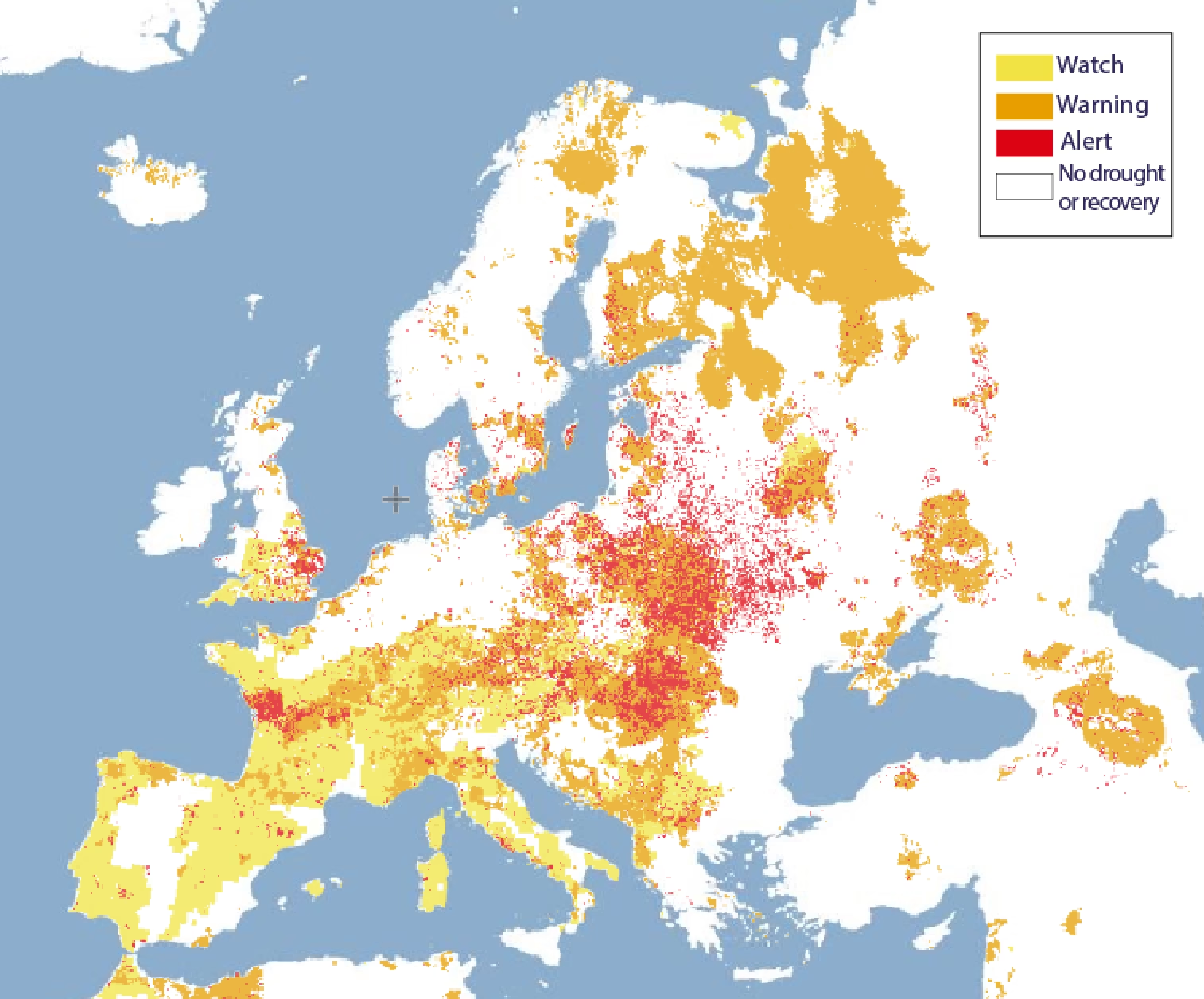
In mid-June, the European Drought Observatory reported worsening drought conditions across most of Europe, including several countries in the Carpathian region.
The assessment is based on the Combined Drought Indicator, which integrates precipitation, soil moisture and vegetation greenness anomalies. This makes it possible to assess not only rainfall deficits, but also the actual effects of drought on natural ecosystems and agricultural land.
Forestry Students Explored Ecosystem-Based Forest Management in Four European Countries
What Happened
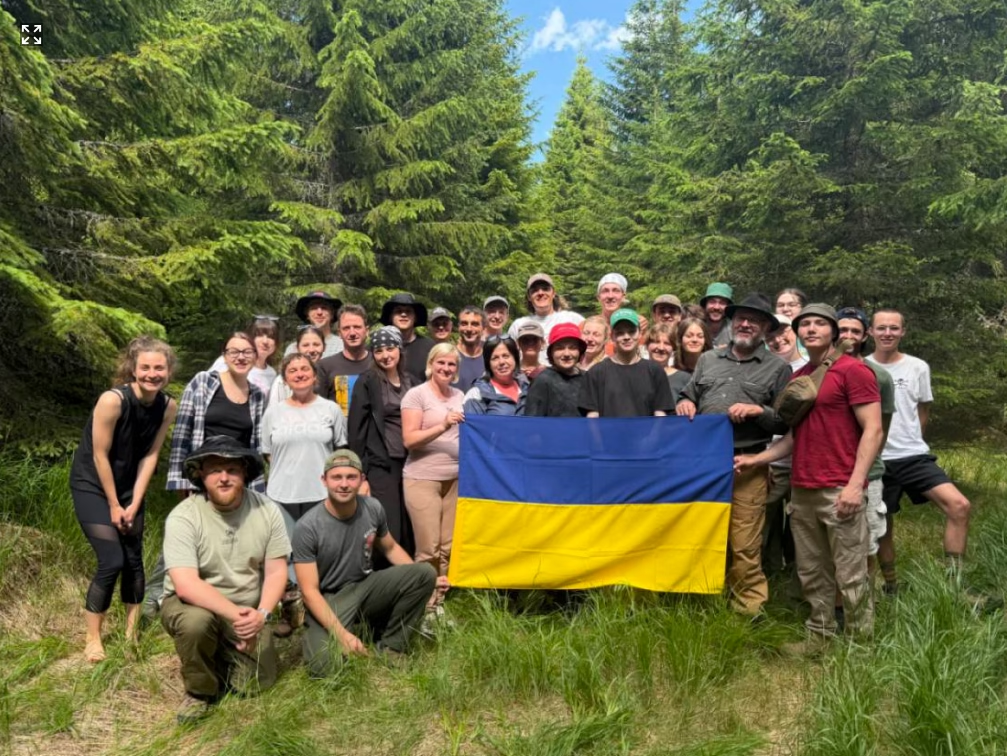
Students from the Ukrainian National Forestry University took part in an international field training programme in Moldova, Romania, Slovakia and the Czech Republic.
Participants compared approaches to forest management, forest restoration, biodiversity conservation and protected area management.
International Education Project Integrated Sustainable Development and Artificial Intelligence

What Happened
In June, the international Collaborative Online International Learning (COIL) project concluded. As part of the project, students and lecturers worked together on topics related to sustainable development and the use of artificial intelligence in education.
This learning format integrates international collaboration directly into the educational process, enabling teams from different countries to work together on practical assignments.
Interim Results of Wetland Monitoring Presented in the Carpathian Region
What Happened
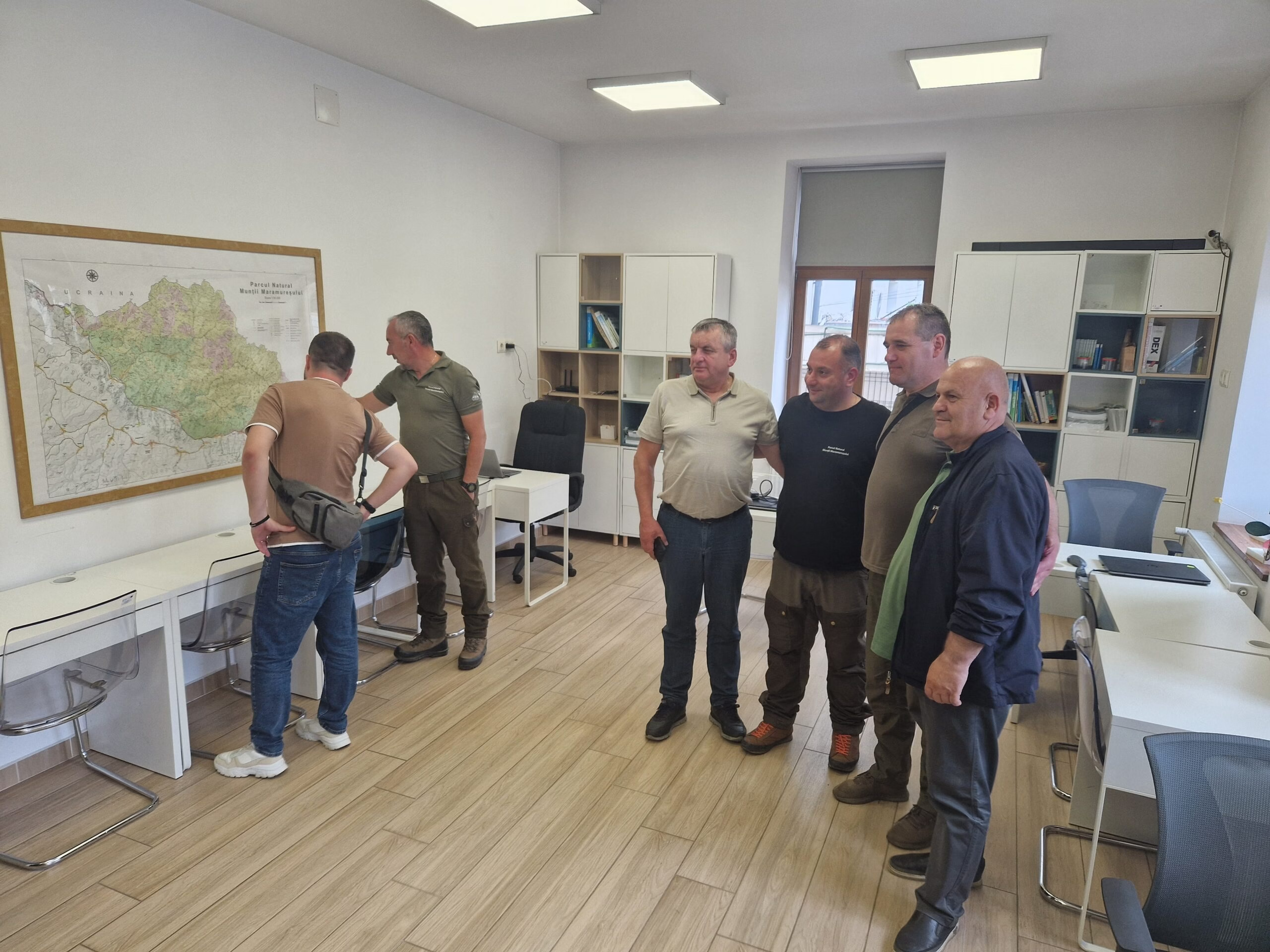
Partners of the WeVaRe project presented interim results of monitoring wetlands of international importance.
The project combines field surveys, Earth observation, geographic information systems (GIS) and digital mapping.
Children and Young People Learned How to Respond to Emergency Situations in the Kolochava Community
What Happened
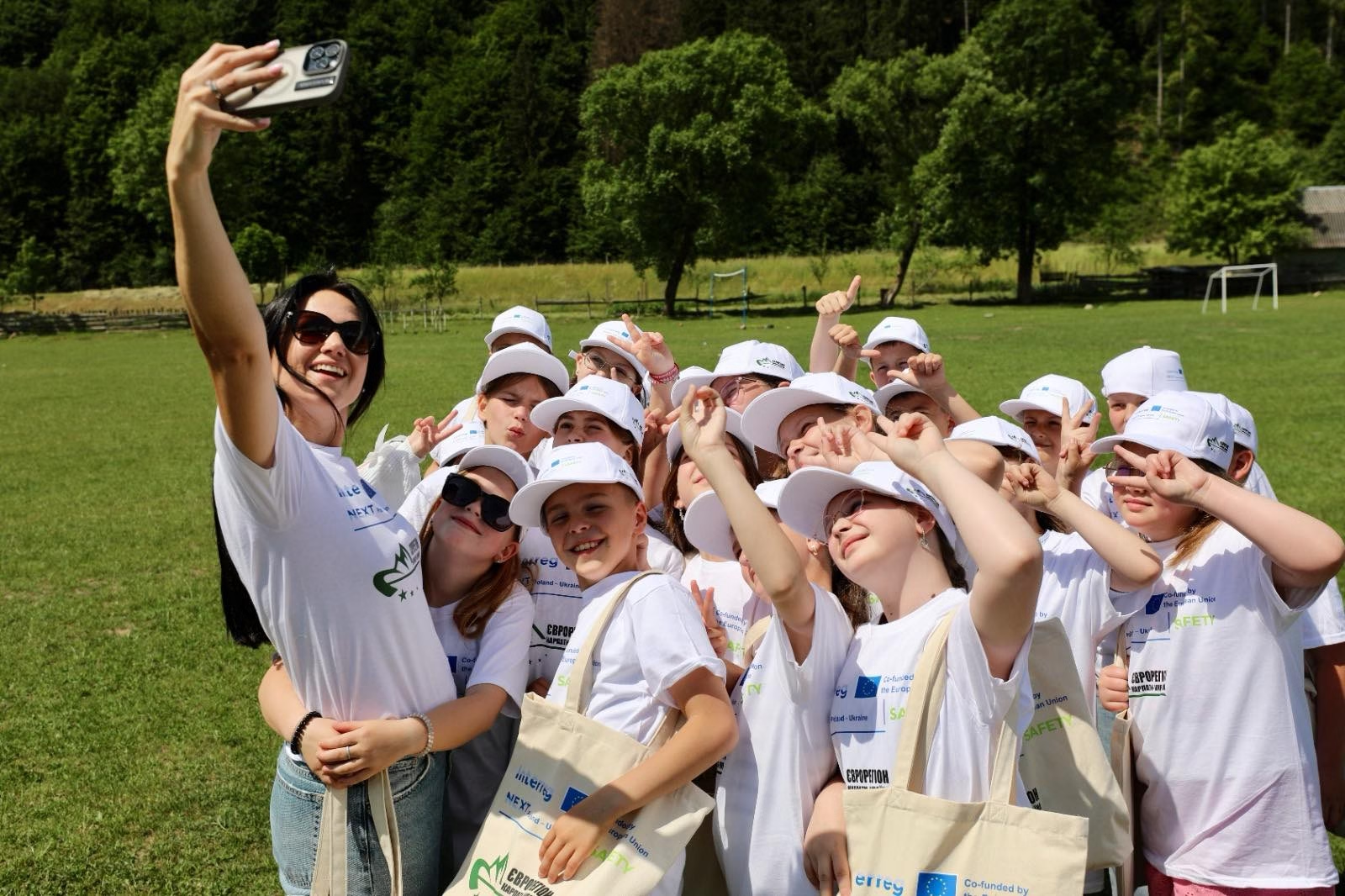
As part of the **Together for Safety** initiative, children and young people gained practical knowledge on how to respond to emergencies and how to contact emergency services.
DRANICA.24 Passes Carpathian Woodworking Traditions to a New Generation
What Happened
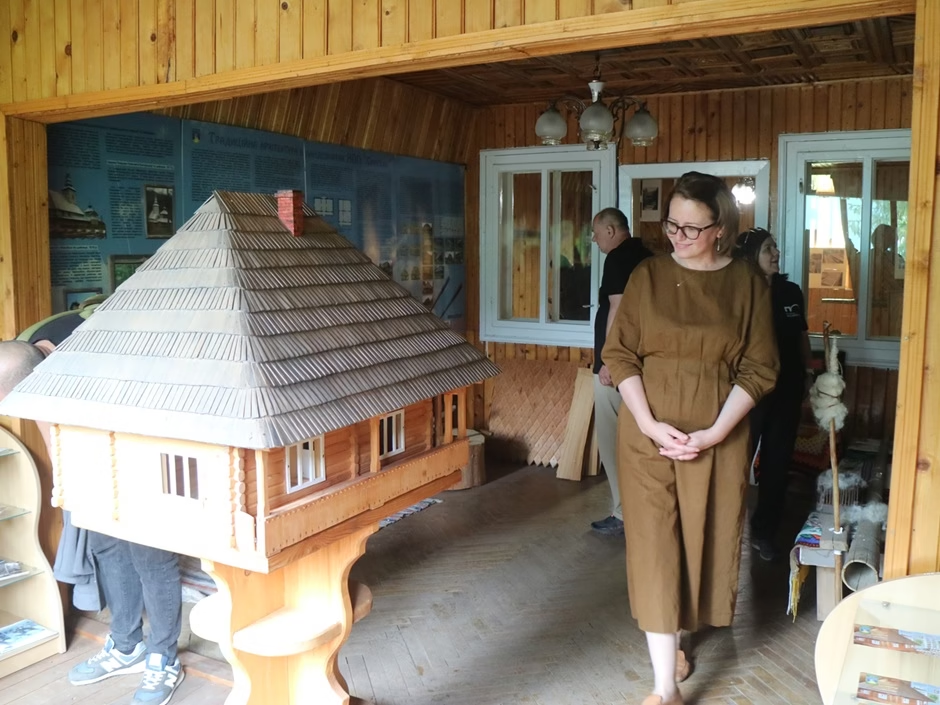
The DRANICA.24 project brought together partners from Ukraine, Romania and Hungary to document traditional woodworking techniques, organise hands-on workshops and develop a technical manual.
Carpathian Communities Adopt Data-Driven Approaches to Development Planning
What Happened
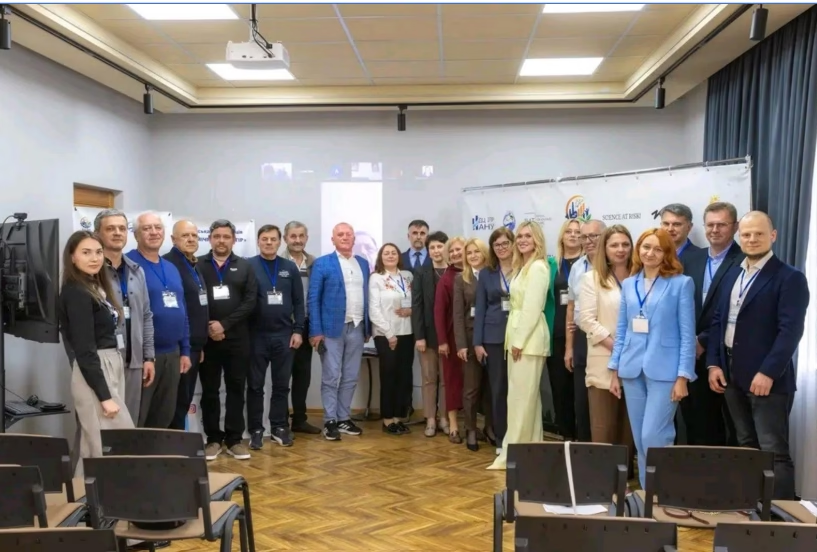
On 12–13 June, representatives of local governments, academia and international organisations gathered in the Skhidnytsia Community to discuss the use of data for assessing community needs and risks.
ForestConnect develops recommendations to restore ecological connectivity across the Carpathian forests
What Happened
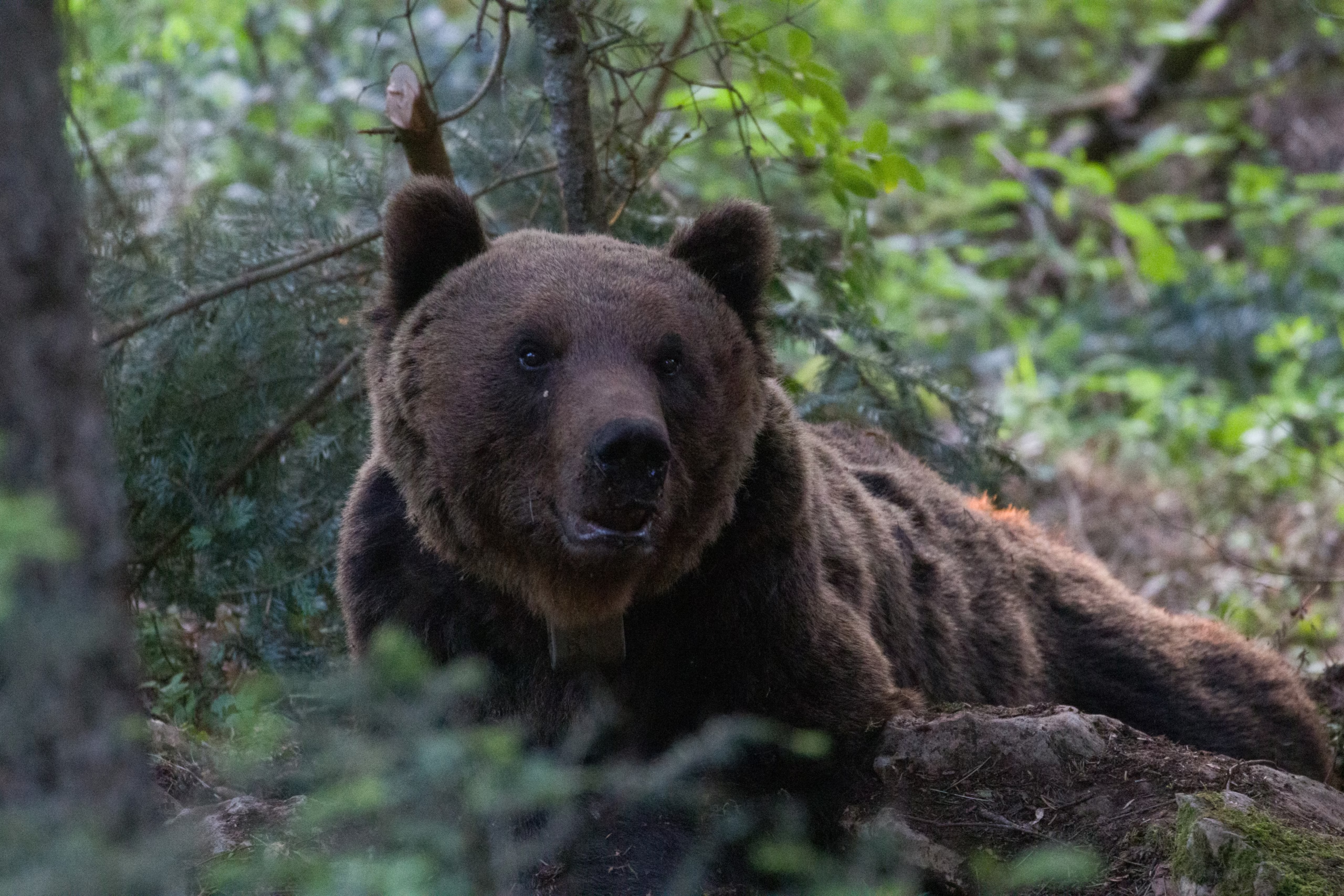
At the final regional conference of the ForestConnect project, experts from seven countries presented the results of their cooperation and recommendations for preserving and restoring climate-smart forest connectivity in the Balkan–Carpathian–Dinaric region.
The recommendations focus on restoring degraded areas, maintaining ecological corridors between forest landscapes, and integrating wildlife needs into the planning and development of roads and other infrastructure.
Zakarpattia Updates the Regional Spatial Planning Scheme
What Happened
Ukrainian and Hungarian partners discussed the preparation of an updated Spatial Planning Scheme for Zakarpattia Oblast.
The process is still ongoing. The future document is expected to define a long-term framework for the development of transport, border, housing and tourism infrastructure, settlements and natural areas.
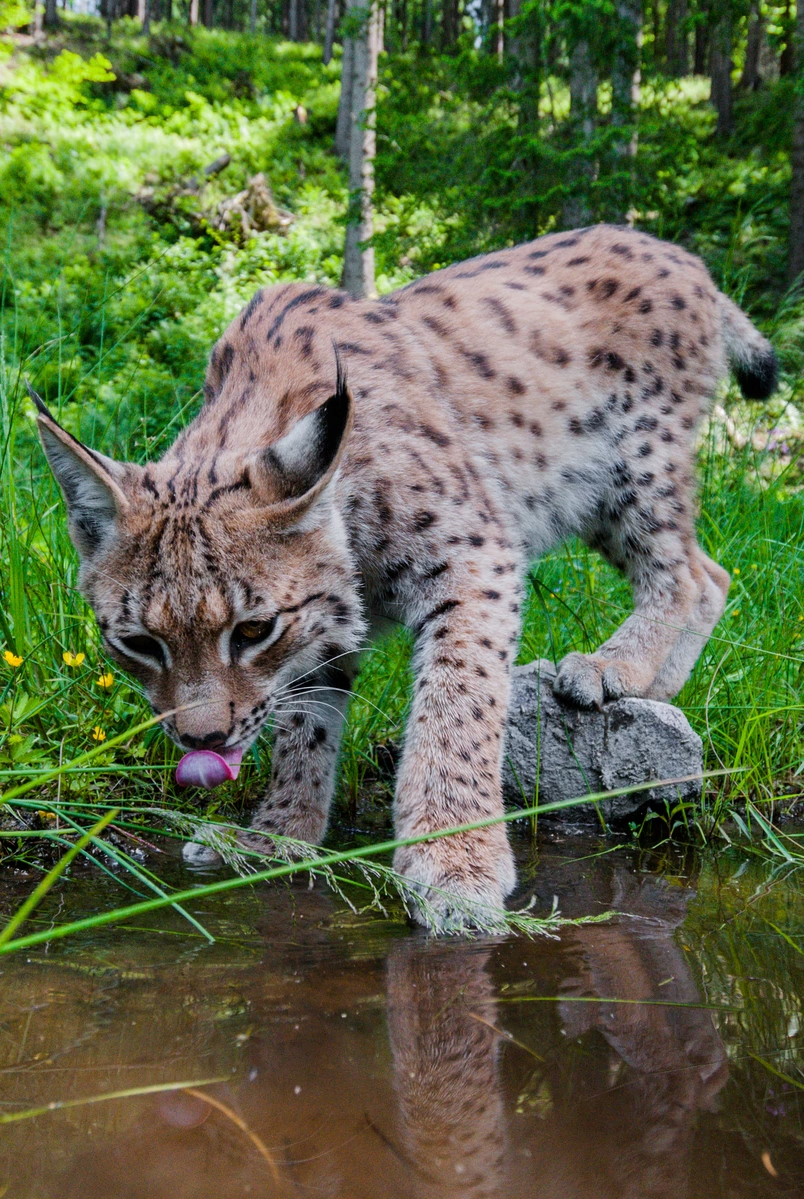
Carpathian Countries Work on a Strategy for Lynx Conservation
What Happened
On International Lynx Day, the Carpathian Convention Secretariat announced the continuation of work on a joint regional strategy for the conservation of the Eurasian lynx.
Its priorities include joint monitoring, data sharing, habitat conservation, and the maintenance of transboundary ecological corridors.
From Individual Events to a Shared Vision for the Future of the Carpathians
The events of June show that the development of the Carpathians increasingly relies on a combination of science, high-quality data, international cooperation and long-term planning.
Monitoring drought and wetlands helps improve understanding of climate- and water-related risks. ForestConnect and the development of a lynx conservation strategy are laying the groundwork for the transboundary protection of forest ecosystems.
At the same time, education, digital technologies, community safety, spatial planning and the transfer of traditional skills demonstrate that the resilience of the Carpathians depends not only on nature conservation, but also on strong communities, well-trained professionals and the ability to work together.
↑ Back to the Top